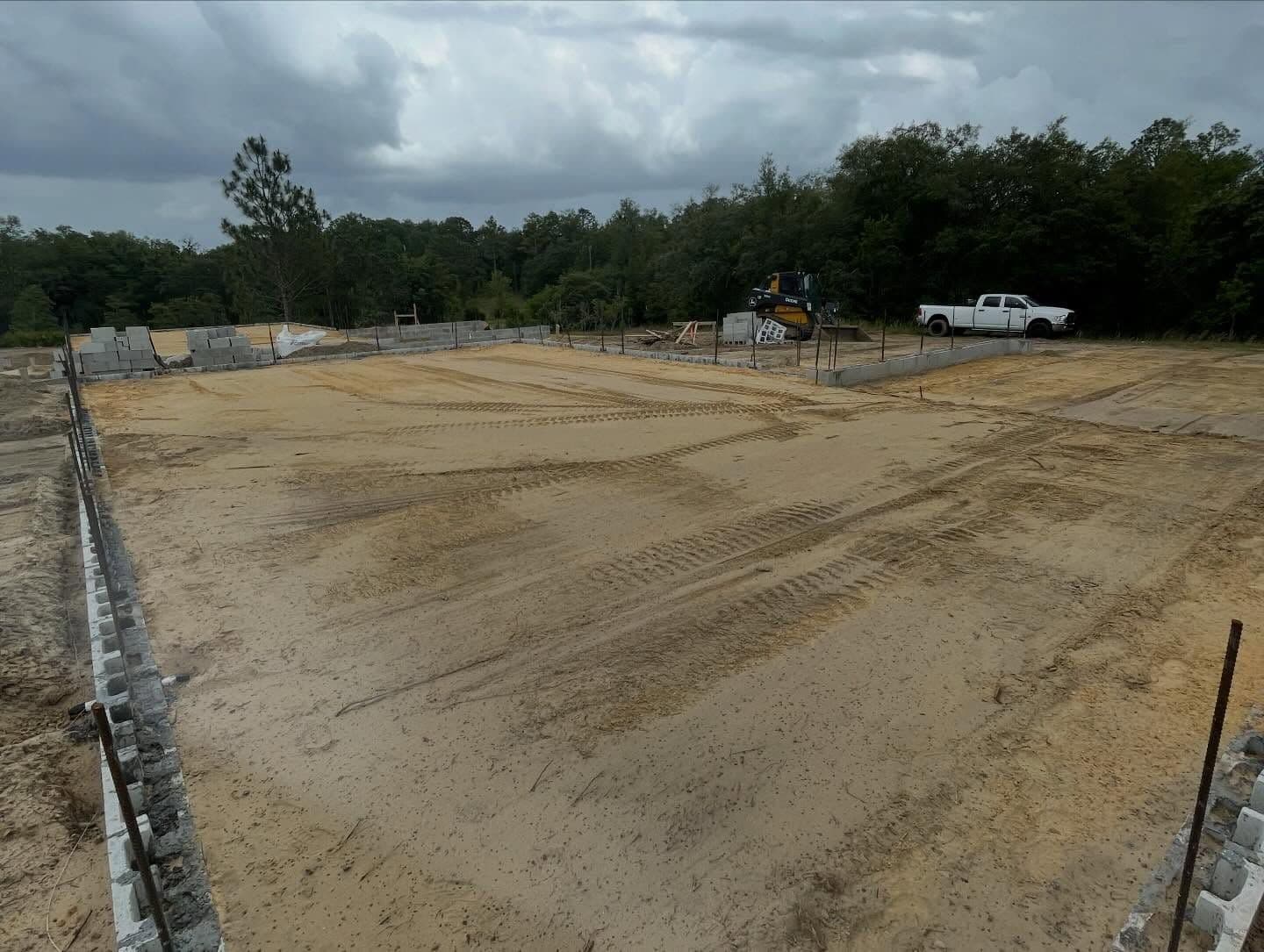
Precise Backfilling for Stable Landscapes
We compact and grade fill properly to prevent settling, drainage issues, and costly repairs later.
Backfilling
At Golden Grade LLC, we handle backfilling the right way so your project has a solid, lasting base. Backfilling is the process of placing soil or gravel back into an excavated area after work is finished. That may be around a foundation, retaining wall, trench, drainage system, utility line, or grading project. It sounds simple, but poor backfilling can lead to settling, drainage problems, erosion, and damage over time. We use the right material, proper lift depths, and careful compaction so the area performs the way it should.
We provide backfilling for residential and light commercial projects. Homeowners often call us after foundation work, pool removal, drainage installation, stump removal, septic work, utility trenching, or new landscape construction. In many cases, the success of the entire project depends on how well the area is filled, graded, and compacted after excavation. Our job is to make sure the ground is stable, drains correctly, and is ready for the next phase.
What our backfilling service includes
We start by looking at the site conditions, the depth and width of the excavation, and the final use of the area. Not every hole or trench should be filled with the same material. Some projects need clean fill dirt. Others need engineered fill, crushed stone, or gravel for better drainage and compaction. We choose materials based on the structure nearby, moisture conditions, load requirements, and how the area will be used later.
Our backfilling service may include:
- Placement of suitable fill material in excavated areas
- Layered filling, also called lifts, to reduce future settling
- Compaction of each lift for improved stability
- Rough grading and finish grading of the surface
- Drainage shaping to move water away from structures
- Backfilling around foundations, walls, trenches, and underground systems
- Import and delivery of fill dirt, gravel, or stone when needed
- Cleanup and preparation for sod, seed, hardscape, or further construction
Why proper backfilling matters
Backfilling is more than just moving dirt. The quality of this work affects how the ground settles over time and how water moves across your property. If the wrong material is used, or if the area is filled too quickly without compaction, the ground may sink later. That can create low spots, trip hazards, standing water, cracked pavement, pressure against walls, or damage near foundations.
We focus on long-term performance. Proper backfilling helps support slabs, patios, walkways, driveways, retaining walls, and landscape features. It also helps protect underground pipes and drainage systems. When done correctly, it reduces callbacks, future repairs, and frustration for the property owner.
Materials used for backfilling
The right fill material depends on the application. We help customers understand what makes sense for their site instead of using a one-size-fits-all approach.
- Clean fill dirt: Common for general filling where organic debris, roots, and trash are not acceptable.
- Clay-based soil: Sometimes used where compaction is important, though it must be managed carefully because it can hold water.
- Sandy soil: Useful in some applications because it drains better and can be easier to place.
- Gravel or crushed stone: Often used around drainage systems, foundations, and areas that need improved drainage and structural support.
- Screened fill: Helpful when a cleaner and more consistent material is needed for finish grading or landscape prep.
We avoid using unsuitable material that contains excessive organic matter, large debris, or unstable moisture content. Using poor fill may save money at first, but it often causes settlement and drainage issues later.
Our process
Our process is built around site safety, proper preparation, and dependable results.
- Site review: We inspect the excavation, surrounding grade, access, soil conditions, and nearby structures.
- Material selection: We determine whether fill dirt, gravel, stone, or a combination is best for the job.
- Placement in lifts: We place the backfill in controlled layers instead of dumping everything in at once.
- Compaction: Each layer is compacted with the proper equipment to create a stable base.
- Final grading: We shape the surface for proper drainage and preparation for the next stage of the project.
- Cleanup: We leave the site neat and ready for landscape finishing, construction, or normal use.
Common backfilling applications
We perform backfilling for many types of property improvement and site work projects, including:
- Foundation backfilling after waterproofing or repair
- Trench backfilling for utility lines, water lines, and drainage pipes
- Retaining wall backfill with drainage stone
- Pool fill-ins and removal projects
- Septic and sewer work
- Yard low spot correction and regrading
- Patio, walkway, and driveway subgrade preparation
- Landscape construction and erosion control work
Compaction and settlement control
One of the biggest concerns with any backfilling job is future settlement. We take that seriously. By placing material in layers and compacting it as we go, we help reduce the chance of sunken areas later. This matters most near foundations, sidewalks, paver patios, and other finished surfaces where movement can cause visible damage.
Moisture also plays a big role. Soil that is too wet or too dry may not compact well. We pay attention to field conditions and adjust the process so the fill performs better over time. Our goal is to deliver a stable, well-shaped surface that supports whatever comes next.
Drainage considerations
Backfilling and drainage go hand in hand. If water is not directed properly, even a well-filled area can fail. We grade the surface to encourage runoff away from structures and can use stone or drainage-friendly backfill where needed. Around foundations and retaining walls, correct drainage helps reduce hydrostatic pressure and lowers the risk of water intrusion or soil movement.
If your project includes downspout routing, trench drains, French drains, or other drainage solutions, we make sure the backfill supports the system instead of working against it.
Why customers choose Golden Grade LLC
We know that most customers are not just buying fill dirt. They are hiring us to solve a problem and protect their property. We bring hands-on grading and excavation experience to every job. We pay attention to slope, soil behavior, access, drainage, and compaction so the finished result is not only clean but reliable.
When we take on a backfilling project, we communicate clearly, show up prepared, and do the work with care. We do not rush the important parts. That means better support, better drainage, and fewer headaches down the road.
Get an estimate for backfilling
If you need professional backfilling for a trench, foundation, retaining wall, drainage project, or landscape construction job, we are ready to help. Golden Grade LLC provides dependable backfilling services with the equipment, materials, and site knowledge to do the job right. Contact us today to discuss your project, get an estimate, and schedule service.
Our Backfilling Process
At Golden Grade LLC, we keep backfilling simple, clean, and done right. Our process is built to protect your grading, drainage, and hardscape investment while keeping you informed from the first call to the final walkthrough.
Site Review and Backfill Plan
We start with a site visit to inspect the excavation, soil conditions, drainage flow, and access for equipment. Then we explain the right backfill material, compaction method, and timeline so you know exactly how we will protect the area and avoid future settling.
Layered Fill and Precision Compaction
Once approved, we schedule the work and place backfill in controlled lifts using the proper material for your project. We compact each layer to improve stability, support grading, and help prevent washouts, low spots, and damage around foundations, trenches, or landscape features.
Final Grading and Customer Walkthrough
After the backfilling is complete, we fine grade the surface to match the surrounding landscape and support proper water runoff. We finish with a detailed walkthrough, answer your questions, and make sure the site is clean, solid, and ready for the next phase of your project.
Backfilling FAQs
Common questions we hear from property owners about backfilling, drainage, grading, and site protection.
- What is backfilling, and why is it important?
Backfilling is the process of placing and compacting soil or gravel around a foundation, retaining wall, trench, or other excavated area after work is done. It matters because proper backfilling helps support the structure, improves drainage, reduces settling, and lowers the risk of future erosion or water problems. At Golden Grade LLC, we treat backfilling as more than just filling a hole. It has to be done in the right layers with the right material for long-term performance.
- How do I know if my property needs professional backfilling?
If you have low spots, sinking soil, standing water near your home, poor drainage, exposed foundation areas, or an area that was recently excavated, professional backfilling is usually a smart move. Many property owners call us after utility work, foundation repairs, pool removal, drainage projects, or new construction. We can inspect the area and let you know if simple fill work is enough or if full grading and compaction are needed.
- What materials do you use for backfilling?
That depends on the project. We may use clean fill dirt, structural fill, topsoil, crushed stone, or gravel based on the drainage needs, soil conditions, and the type of structure being supported. We choose materials that fit the job, not a one-size-fits-all solution. If an area needs stable support or better water runoff, we will recommend the best backfill material to help prevent future issues.
- Will the soil settle after backfilling is done?
Some minor settling can happen over time, especially if the area was deep or the surrounding soil is loose. The key is reducing that risk as much as possible. We use proper placement and compaction methods to help create a solid, even result. Our goal is to leave you with a backfilled area that performs well and does not turn into a drainage or grading problem later.
- Can backfilling help with drainage problems around my home?
Yes, in many cases it can. If water is pooling near your foundation or running toward your home, backfilling combined with proper grading can help direct water away from the structure. This is one of the biggest reasons customers call us. We look at slope, runoff, soil movement, and surrounding grade so we can correct the problem instead of covering it up.
- How do I get an estimate for backfilling services?
The best way is to contact Golden Grade LLC for an on-site assessment. We will look at the area, measure the scope of work, and talk through your goals, whether you need basic fill, compacted backfill, grading, or drainage correction. Then we can provide a clear estimate and honest recommendations. If you want the job done right the first time, reach out to us and we will be glad to help.
Golden Grade LLC
Schedule Backfilling Before Delays Start
Protect your landscape, avoid drainage issues, and book Golden Grade LLC while openings are still available.